Getting to know the streams: An ACRC Scrapbook
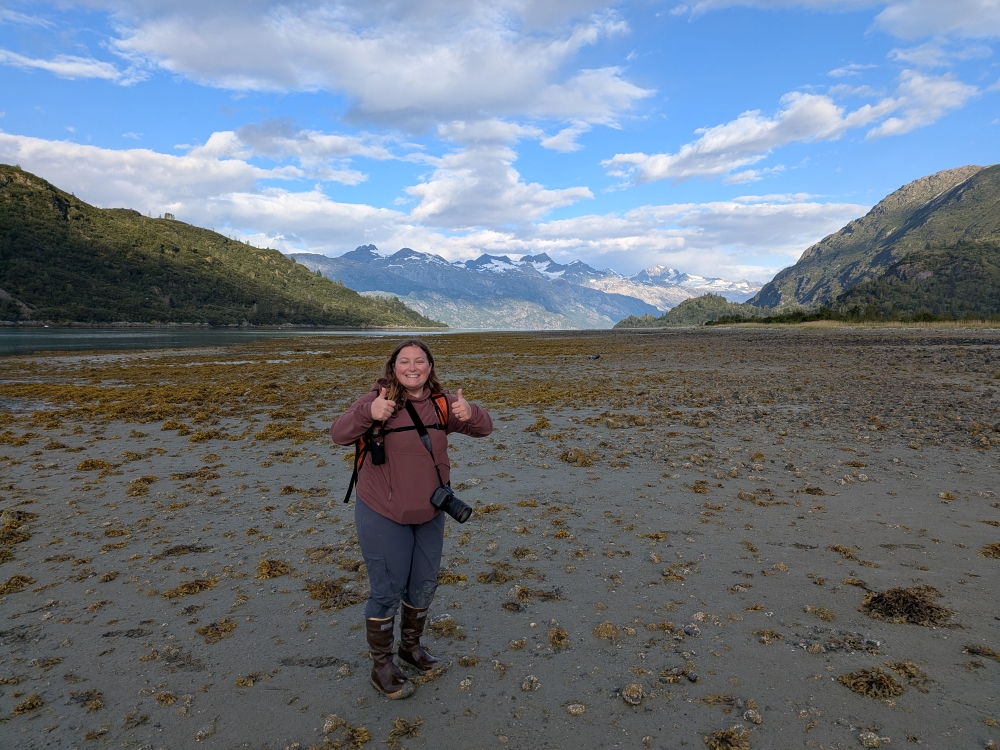
When I first applied for the ACRC, I was super excited about the idea of getting to work in environmental sciences. I was excited to spend time outside doing field work as part of my job. Although there were many things about this job that I was expecting to enjoy, there were also things that I appreciated unexpectedly.
Earlier this summer, I told someone about how I was tired every morning at work. She suggested that I splash my face with cold water, and I said, “That’ll be easy for me, since I work in a bunch of cold streams!” That’s when she told me that splashing water on your face is also a way to greet the land. So, while one thing I loved about this job was the opportunity to work in environmental sciences, I also enjoyed the process of "getting to know" the streams that we sampled on a weekly basis, "like old friends."
Each week, we visited each stream and collected water samples for: alkalinity, turbidity, DOC (Dissolved Organic Carbon), TSS (Total Suspended Solids), and more. But the process of seeing these streams at different points in the season, under different conditions, made me not only appreciate the data we were collecting more, but it also made me appreciate what that data means for each stream on a larger scale.
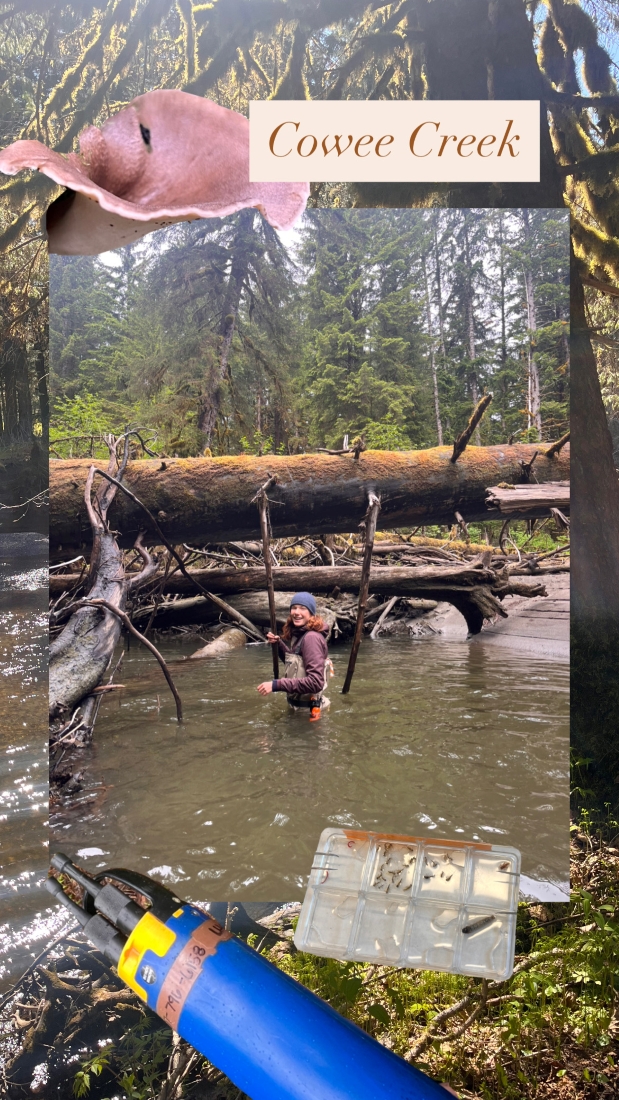
Cowee Creek
Not only did I notice when Cowee Creek shifted to being glacially dominated, but our turbidity data reflected that as well. I noticed before looking at any numbers that it felt colder and looked cloudier.
Herbert River
Herbert, aside from being a near-perfect example of a glacially dominated system, was also a great berry spot. It became a part of our field sampling protocol to grab handfuls of blueberries and huckleberries on our way to our water sampling site.
It was hard to ignore when spawning salmon arrived in Peterson Creek. It quickly went from being my favorite sampling site and the best place to find little river treasures to my most dreaded one. The smell of dead salmon is hard to forget, especially when you’re standing in the stream for 20 minutes to an hour trying to measure discharge.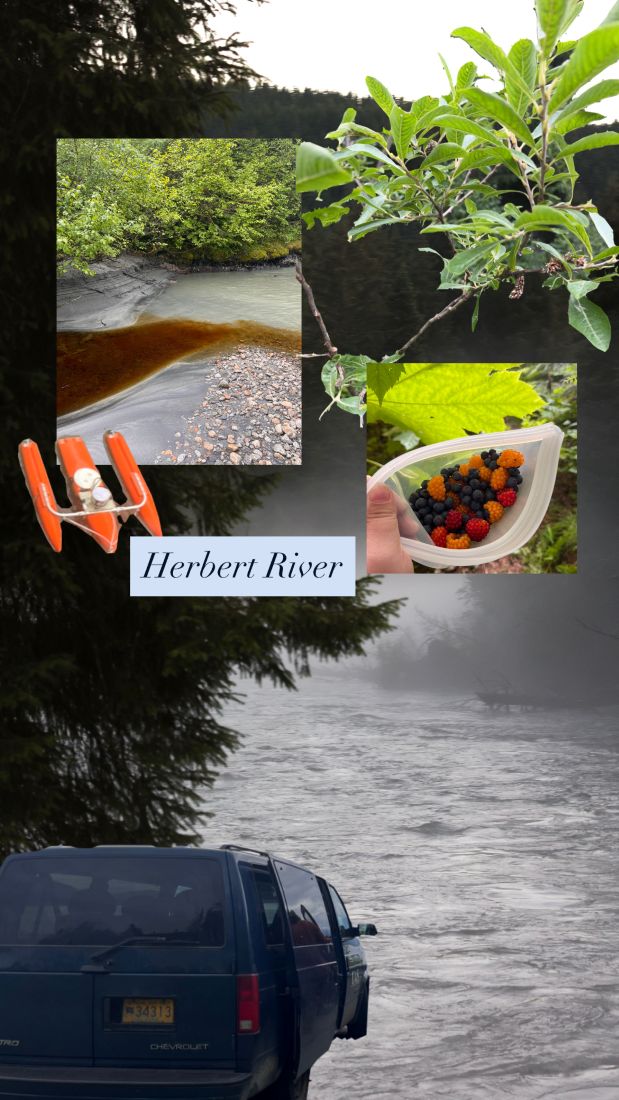
Montana Creek
One of the most notable changes that the streams brought into my life was the way I went from driving past Montana Creek on a day-to-day basis to having a daily “check-in.” I would go from mindlessly driving over the bridge to peering out my window and taking note of high or low flow conditions, or whether or not the fishy smell was particularly bad that day. It was then nice to see how the data we collected corresponded with the conditions I noticed on my daily drives. 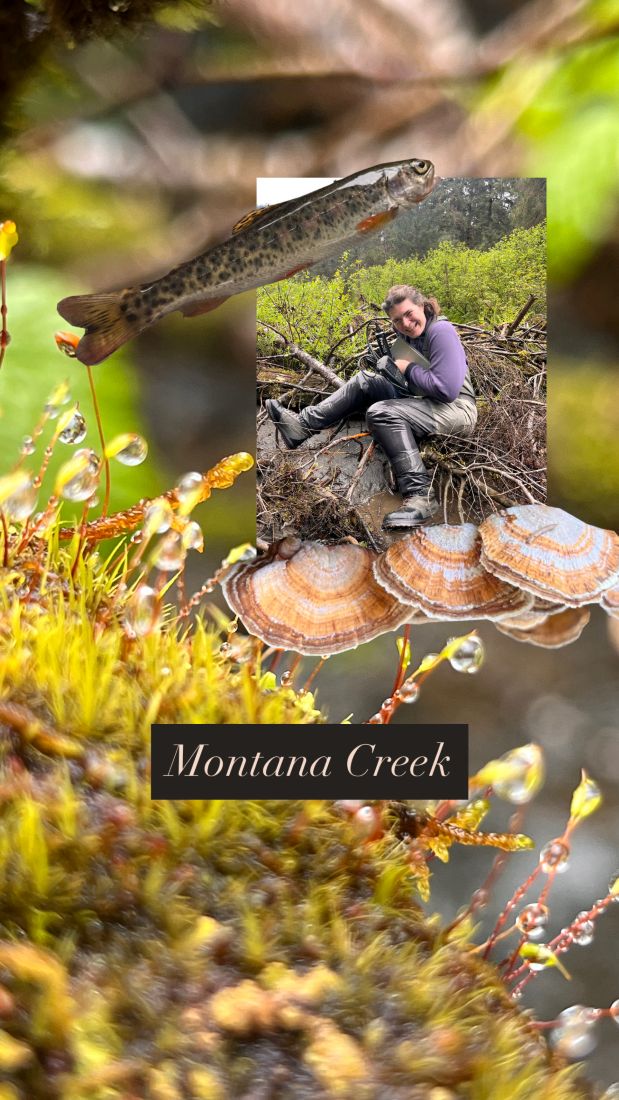
Mendenhall River
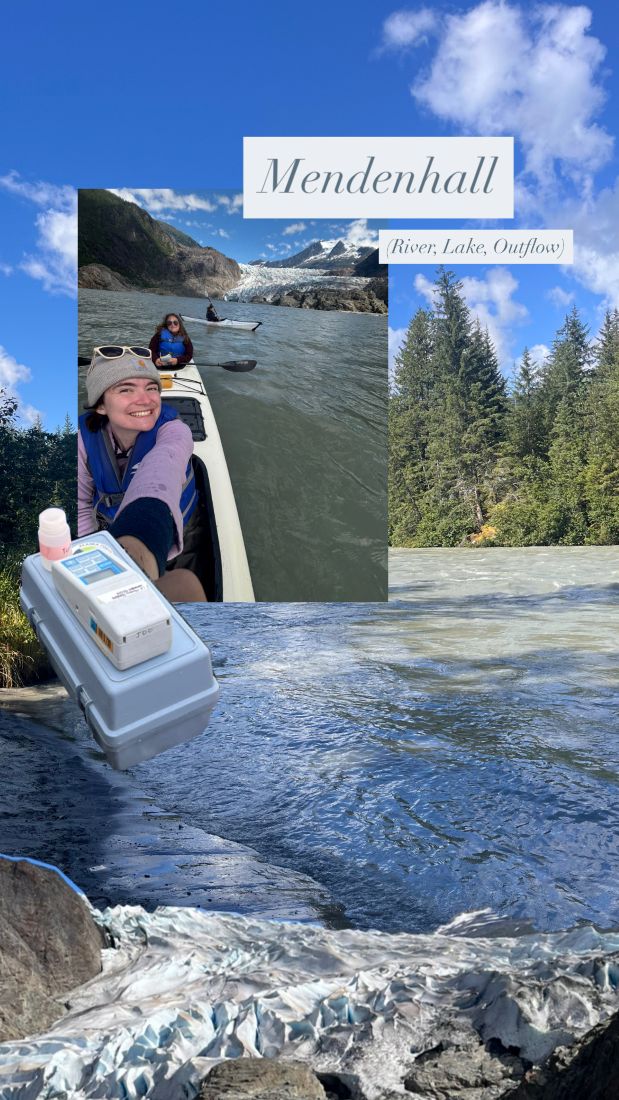
Mendenhall River was one of the most exciting places to sample. From seeing the water rise dramatically when sampling the Jökulhlaup, to being stared at by river rafters meandering downstream, to cutting through the woods to get to our sampling site when the bridge was under construction. It felt like there was always something going on with good ol' Mendy.